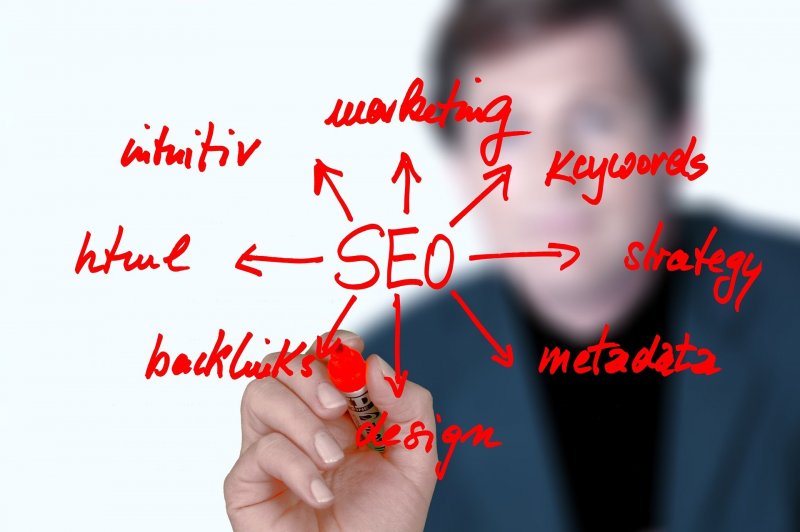
Understand SEO and Metadata
As an e-commerce marketer, one needs to comprehend the drivers of search engine optimization (SEO). Metadata drives SEOs. Search engine relevance is lost when there is a failure to employ metadata. This failure affects e-commerce platforms negatively by reducing the number of consumers and may subvert the rankings. Metadata can be defined as a set of micro-communications between the search engines and operating domains. A great percentage of the entire metadata is hidden to visitors, working and residing under the HTML sheltering of the web pages. While one requests specific actions or communicating critical information, their metadata SEO communicates directly to the search engines.
How to Optimize Your Meta Data
22 Nov 2021
Getting the metadata right is imperative to the success of any website. That means crafting descriptive and explanatory meta titles, meta tags and meta descriptions, all while keeping an eye on targeted keywords. Thankfully it doesn't have to be rocket science; following a few simple steps can reap big rewards.
Why is Metadata Important?
14 Oct 2021
Metadata, in essence, summarises a webpage. It is invisible to the standard website user, but Google, and other search engines, read this metadata to understand a page and decide if the content is relevant to search queries. Properly optimized metadata can mean higher rankings, more traffic and extra income.
The Importance of SEO Metadata
2 Aug 2021

Search engine optimization, metadata, and you. It sounds like a simple relationship, but this tech equation is a powerhouse of opportunity. Most likely, SEO and metadata are part of your daily life. Online searches can rule your online activity while exploring information leads.
Search engines offer findable internet metadata. Metadata is simply information about the information in an organized electronic form. Search engines can quickly direct you to the best metadata resources and relevant details. Take a look at slottracker.com, a popular online site that tracks thousands of slot machine spins and wins. Gaining correct data on slot results is vital information for the gambling community.
Optimizing It
Optimization for search engines means fine-tuning website traffic to web page destinations. Orderly protocols are needed, or you could get lost in a disarray of data for hours. SEO route unpaid traffic hits to webpage results as opposed to routing to paid, sponsored traffic. This process is known as natural or organic information traffic searches. Organic searches range from images, news updates, video links, nonprofits to educational queries.
Your choice of metadata words for your business, school, blog, or company must be unique. SEO algorithms are intuitive to search engine behaviors, how people search, plus what terms, search engines, and keywords are favored with specific demographics. When using SEO correctly, websites gain more views, and sites rise to the top of internet options on the SERP - search engine results page.
All About the Meta
Search engines are dependent on website authors to provide metadata on their site and story. Meta descriptions are an HTML tag that highlights webpage contents which helps attract visitors. Quick blurbs about your webpage display on the search engine results page (SERP), giving meta descriptions immediate pull with SEO. Organic text should be incorporated into your meta description.
Remember that’s the key ingredient SEO is built for. The right keywords will pull your advertisements, website, and meta descriptions to the top of the results page. Brainstorm relevant meta descriptions for each webpage that pop using researched, target keywords. This technique will increase the click-through rate for your website, meaning visitors click to your site and stay to investigate.
- HTML Title Tags are viewable on your webpage source code
- There is an SEO title length limit of 60-70 characters (usually)
- Google has no character limit but has pixel size limits
SEO Growth
The initial beginnings of search engines started in 1982 with WHOIS, a query and response protocol. WHOIS has an internet domain and delivers readable results. Finally, around 1997, Google.com was registered. Google Search was made available to the public, followed by a floodgate of additional search engines; Bing, Duck Duck Go, Yahoo Search, Baidu, Ask, AOL Search, and more. SEO metadata has the power to connect netizens with all the information the world wide web has to offer!
Metadata: Vital for Businesses
25 Jul 2021
The term ‘metadata’ can initially sound confusing, especially to those from outside the IT world. Often described as ‘data about data,’ metadata is crucial to the functioning of modern businesses, which use it to organize large volumes of information on customers, transactions, and inventories, etc., with optimal speed and efficiency.
Memography
© 2026 Memography.org. All Rights Reserved.